
Synthesizing Fraud Transaction Scenarios Before Production
Generate labeled fraud scenarios on demand so you can train and benchmark before attacks reach production.

Gabriel Marrocos
Thu Feb 19
The problem with learning from real fraud attacks
It’s hard to train fraud systems on real attacks because true fraud is relatively rare, labels often arrive late, and high-quality examples are expensive to gather. Meanwhile, detection systems must learn rapidly changing patterns like bursty card testing, day-boundary velocity abuse, and impossible travel. Relying only on historical data means models often lag behind attackers.
You can’t ship a critical fraud system without thorough testing, and you can’t test well without a dataset that captures real attack complexity. DataFramer solves this by letting teams create realistic, labeled fraud datasets on demand, so you can test, benchmark, and train before attacks reach production.
Generating labeled fraud datasets on demand
Synthetic data can expand a small seed of legitimate transactions into a larger dataset that preserves structure and patterns while introducing controlled fraud scenarios. You start with a few trusted transactions, define the fraud behaviors you want to simulate, and generate a labeled dataset that looks and behaves like real activity. The result is a training and evaluation dataset that remains shareable and privacy-safe.
Three steps from seed data to fraud-augmented output
As shown in the video above, the workflow is repeatable. Step 1 brings in a small, trusted dataset of legitimate transactions as seed data. Step 2 creates a specification that defines fraud scenarios, distributions, and conditional relationships. Step 3 runs generation to produce a synthetic fraud-augmented dataset that you can evaluate and iterate until it matches your targets.
Step 1: Start with a seed of legitimate transactions
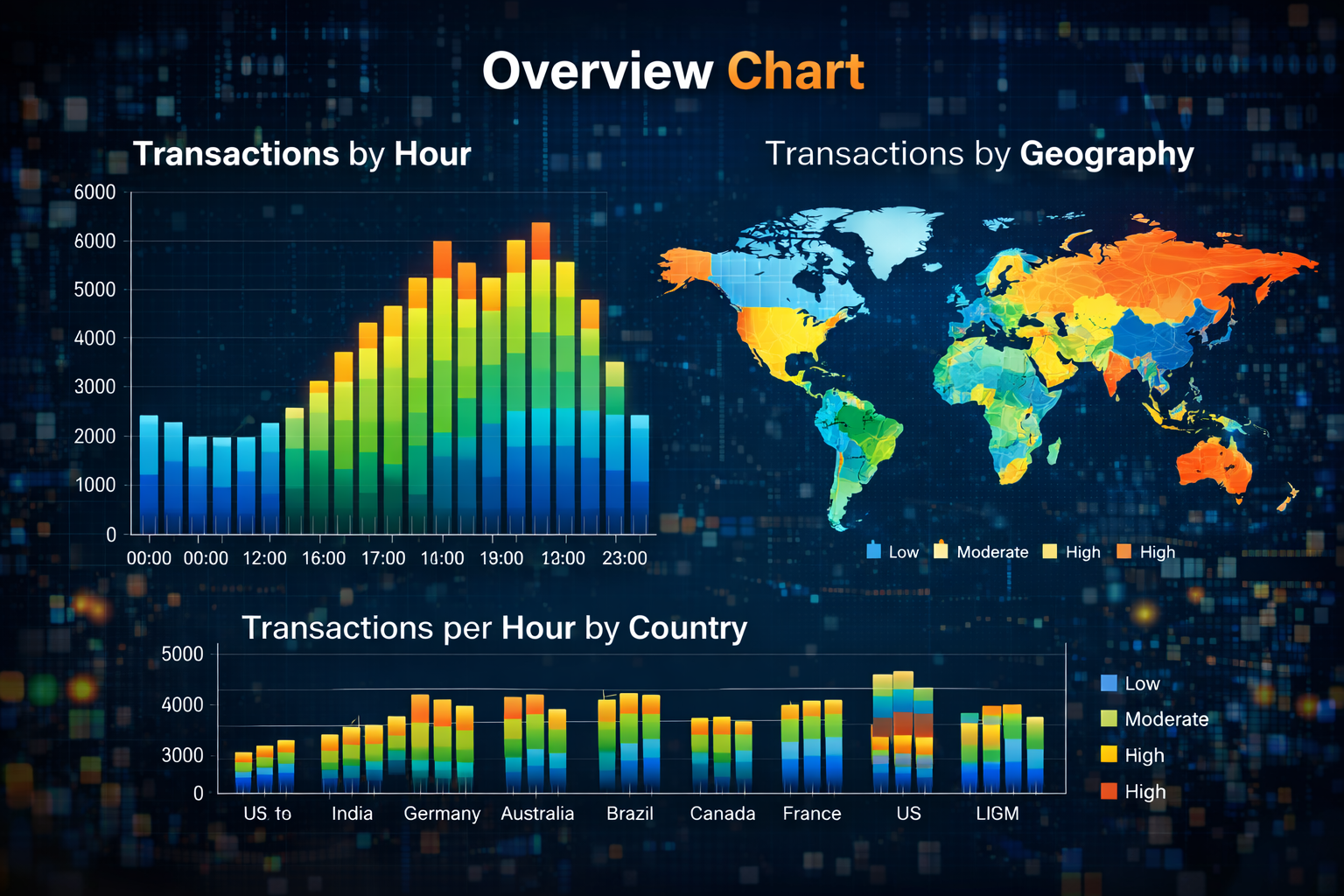
Begin with a small dataset of legitimate transactions. Your seed should include core transaction fields such as timestamps, amounts, and locations, plus device or session identifiers and user profiles if available. Upload this to DataFramer, and the platform will analyze structure, distributions, and key behavioral patterns for augmentation.
Step 2: Encode fraud patterns in your specification
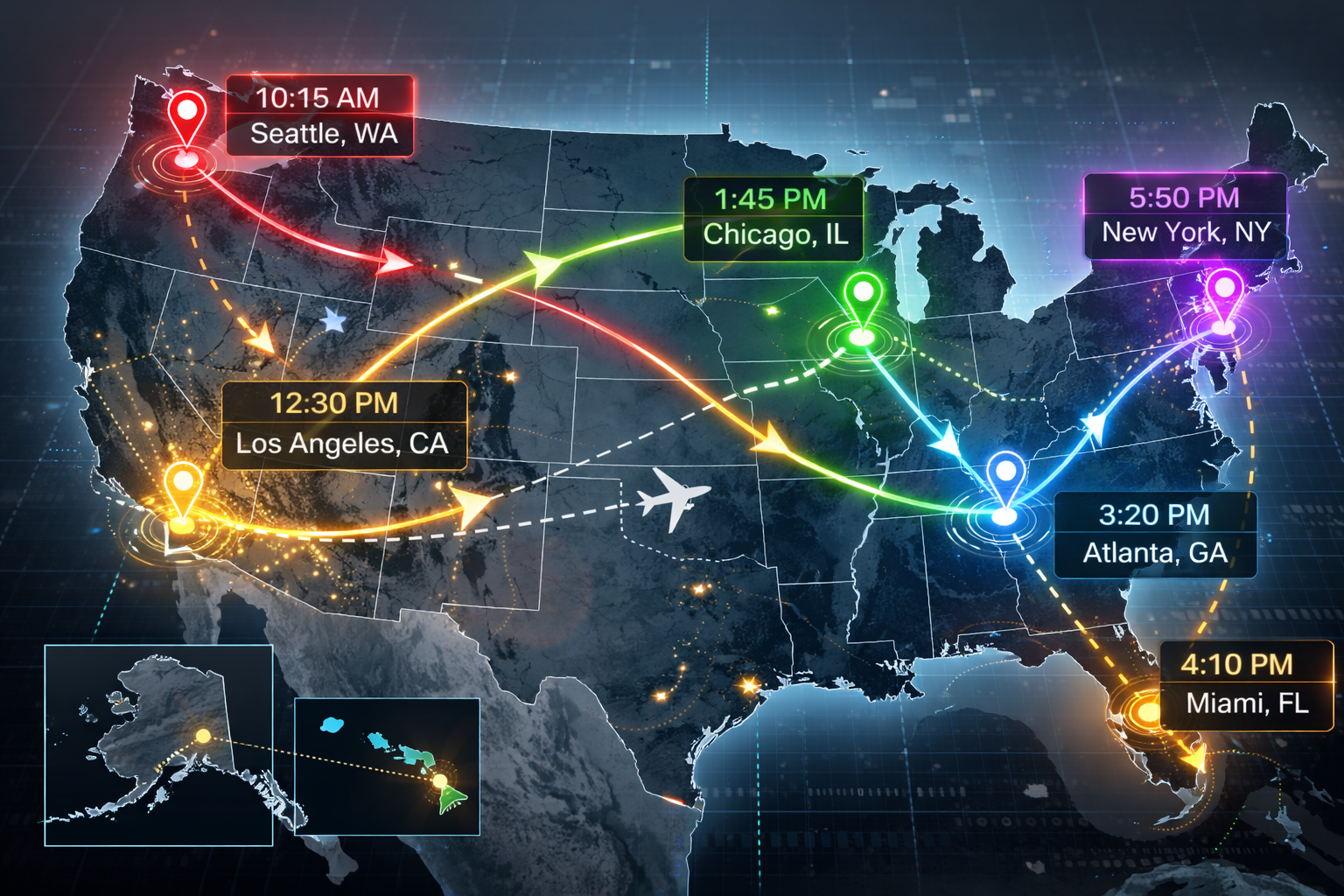
Create a specification that describes the fraud behaviors you want to simulate. Common patterns to encode include:
- Bursty activity: many transactions in a short window, reflected in timestamp, device, and velocity signals such as
event_timestamp,device_id, and counters. - Midnight crossings: behavior that spans day boundaries and affects daily limits, captured with fields like
txns_todayandtxn_velocity_24h. - Impossible travel: the same user appearing in distant cities within an implausibly short time, represented through
geography_city,state, andevent_timestamp.
DataFramer lets you explicitly set field distributions and conditional relationships so these scenarios remain realistic.
Step 3: Generate, label, and evaluate
Run generation from your spec. DataFramer produces a synthetic fraud-augmented dataset with labels, recalculates rolling statistics to match realistic behavior, and provides a built-in evaluation view to verify scenario coverage and distributions. Use the resulting dataset to benchmark your fraud detection logic, train ML models on edge-case examples, and run QA tests before pushing detection rules live.
Discover weaknesses before attackers do
You gain controlled, realistic fraud scenarios with labeled outputs for training and evaluation. You get explanations of emergent patterns and faster iteration without waiting for real fraud. Synthetic fraud data lets you discover weaknesses, fix gaps, and harden systems before attackers exploit them.
Synthetic Text-to-SQL Data Generation with 100% SQL Validity Using Claude Haiku
How we generated 500 diverse, 100% valid text-to-SQL samples for LLM evaluation and fine-tuning using only Claude Haiku.
 Alex Lyzhov
 Benchmarking Coding Agents as Math Auditors: A Synthetic Financial Document Dataset
We built a financial benchmark with planted errors to test Claude Code as a math auditor — no manual labeling needed.
Alex Lyzhov Building a Cyber Insurance Evaluation Dataset in 3 Easy Steps with DataFramer.
Scale a few real cyber insurance samples into a full evaluation and training dataset in three steps.
 Puneet Anand
 Get started
Ready to build better AI with better data?
The real bottleneck in AI isn't intelligence. It's the data you can't generate, can't share, or can't trust.